
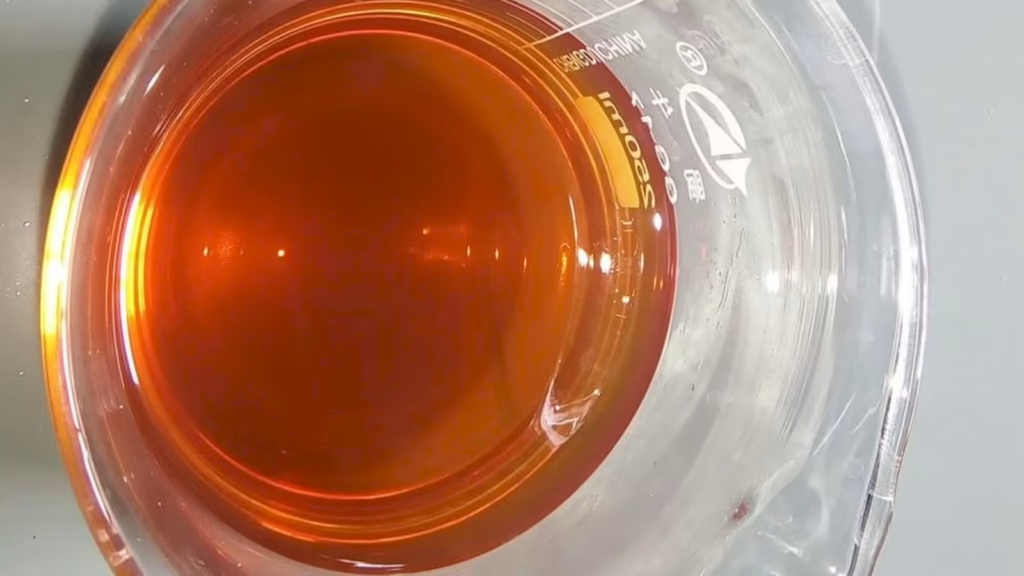
When you buy engine oil by the container, you expect the same product every time. But cheap or poorly controlled supply can vary batch to batch—and that variation is what causes warranty claims, engine wear, and lost customers. This guide explains why batch consistency is a quality issue, not a detail.
What ‘Batch Consistency’ Means
Every shipment should match the same key specs:
- Viscosity (SAE grade) within tolerance.
- TBN (total base number) at the stated level.
- Flash point, ash, and additive package.
If one batch is thinner than the spec and the next is thicker, the engine does not see ‘engine oil’—it sees a gamble every oil change.
Why Variation Hurts
| Problem | Effect |
|---|---|
| Viscosity drift | Wear or oil pressure issues, warranty claims |
| TBN variation | Poor acid/soot control, shorter life |
| Additive inconsistency | Detergency or anti-wear failure |
| Unpredictable quality | Damaged distributor reputation |
We supply engine oil with a COA for every batch, so buyers can verify each shipment against spec — request sample COAs and technical data.
How to Verify Consistency
- Ask for a COA with every batch.
- Compare two recent COAs—viscosity and TBN should be close.
- Request samples before committing to volume.
- Retain batch numbers for traceability.
Red Flags
- No COA, or a generic COA reused for every batch.
- Prices far below market (often inconsistent re-blends).
- Viscosity or TBN swings between shipments.
Batch consistency is what makes engine oil trustworthy. Buy from suppliers who provide COA per batch, keep viscosity and TBN within spec, and let you compare shipments before you commit.
FAQ
What is a COA?
A Certificate of Analysis shows the test results for a specific production batch—viscosity, TBN, flash point, and more. It is your proof of quality.
How much viscosity variation is normal?
Small tolerance around the grade is normal; large drift is not. Compare COAs across two shipments—they should be close.
Why is cheap oil risky?
Very low price often signals inconsistent re-blended or off-spec product, which causes the batch-variation problems that lead to claims.