
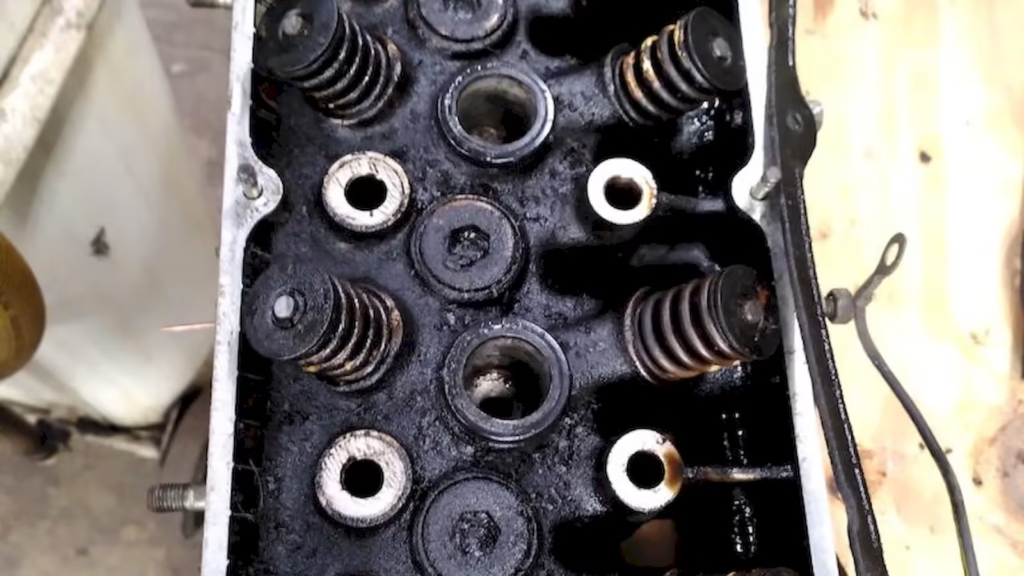
Oxidation stability is one of the most important, least understood properties of engine oil. It decides how long the oil stays good in a hot engine—and whether it turns to sludge early. This guide explains it in practical terms.
What Oxidation Means
Engine oil reacts with oxygen at high temperature. Over time this:
- Thickens the oil and raises viscosity.
- Forms acids (rising TAN) that corrode parts.
- Creates sludge and varnish deposits.
- Consumes additives faster.
The hotter the engine runs, the faster oxidation happens. A low-oxidation-stability oil fails early; a stable oil lasts longer and protects better.
How It Is Measured
| Test | What It Shows |
|---|---|
| TAN / TBN | Acid build-up vs reserve alkalinity |
| Oxidation stability test | Resistance to ageing under heat |
| Viscosity increase | How much the oil thickens over time |
Why Buyers Should Care
- Better oxidation stability = longer oil life and extended drain intervals.
- Lower sludge = cleaner engine, less wear.
- Important for hot-climate and high-load engines (trucks, generators, dump trucks).
We supply thermally stable, oxidation-resistant engine oil with documented test data — request technical data sheets and COAs.
What Helps and Hurts
- Helps: quality base oil (Group II/III), good antioxidant additives, correct drain intervals.
- Hurts: sustained high heat, water contamination, over-extended drains, cheap base oil.
Oxidation stability is the oil’s ability to resist ageing in heat. Buyers should look for stable base oil, antioxidants, and supporting test data—it directly determines oil life and engine cleanliness.
FAQ
What is oxidation stability in engine oil?
It is the oil’s resistance to chemical ageing with oxygen under heat. Higher stability means longer life, less sludge, and slower acid build-up.
How do I know if oil oxidises fast?
Watch rising TAN, viscosity increase, and dark/sludgy oil. Test data and used-oil analysis reveal it early.
Which engines need high oxidation stability?
Hot-running and high-load engines—heavy-duty trucks, generators, dump trucks, and equipment in hot climates.