
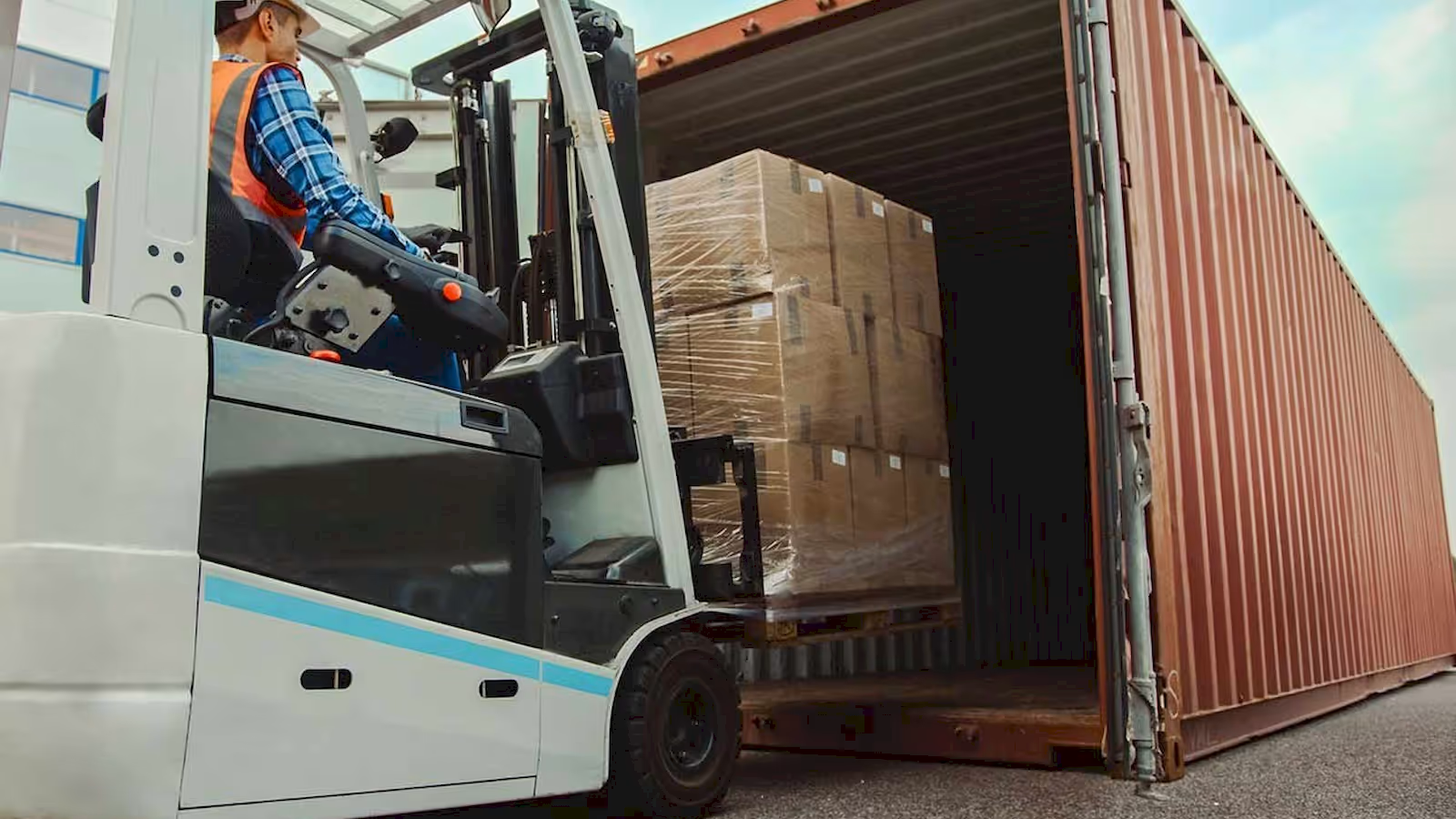
The first container is the cheapest lesson a distributor will ever buy, provided it is small. Most first-order problems are not chemical: they are a label in the wrong language, a drum count that does not fill the container, a certificate that names a lot nobody can find, or a payment released before anyone opened a pail. Confirm eight things in writing and the first container becomes a template for the next twenty.[1]
Decide the Specification Before You Discuss Price
Write the full line: grade, API or ACEA category, OEM approval if the fleet needs one, HTHS value, TBN and ash limits, and the packaging. A quotation that arrives as “15W-40, good quality, best price” cannot be compared with anything, and the supplier knows it; finding a supplier who quotes to a specification starts with the enquiry, not the negotiation. Put the specification in the enquiry, not in the follow-up email after the price disappoints.[1][2]
The Document Set That Must Arrive Before the Vessel
Commercial invoice, packing list with drum and carton counts by lot, bill of lading, certificate of origin, batch COA, safety data sheet in the destination language, and any pre-shipment certificate the destination requires. Check that the HS code on the invoice matches the product; lubricating oil and base oil sit on different lines and a wrong code changes the duty.[3] The export document set for engine oil should be agreed as a list, with each item initialled by both sides.
Packaging and Container Fill: Where the Money Leaks
A 20ft container holds roughly 80 drums of 200L, or around 600–720 pails of 20L, or roughly 1,100–1,200 cartons of 4L bottles, depending on pallet pattern and whether the goods are palletised. Mixed loads of drums and cartons waste volume unless the supplier plans the pattern, and a half-filled container can raise unit freight by a third. Ask for a loading plan with dimensions before you pay.[4] Which package belongs in which market is decided at this stage, not after arrival.
Payment, Inspection and the Claim Window
Keep the deposit small enough to hurt less if the first batch is wrong, hold the balance against documents or against an inspection, and write a claim window of at least 30 days after arrival covering quantity, label, packaging damage and COA mismatch. Specifying Incoterms precisely, CIF versus FOB, decides who owns the risk on the water and who pays for the port delay; a pre-shipment quality inspection is the cheapest way to hold the balance payment.[3][5]
First-Container Checklist
Eight confirmations: specification line, label artwork and language, batch COA and lot numbering, document set, HS code, loading plan, payment structure and claim window. Add one more for luck: a retained sample sealed and kept by both parties, because it ends most arguments about a batch that “looked fine” on arrival, and storage and shelf life decide how long that sample stays valid.[2][5]
| Item | What it protects | Evidence | Common mistake | Fix |
|---|---|---|---|---|
| Specification line | Product fit | Signed technical sheet[1] | Grade only, no category | Add API/ACEA and OEM[2] |
| Label artwork | Market access | PDF proof before print[4] | English only in a bilingual market | Bilingual label[1] |
| Batch COA | Quality claim | Lot number on drum[2] | Certificate without a lot | Lot-to-packing-list match[3] |
| Loading plan | Freight cost | Container diagram[4] | Half-filled box | Mixed-load pattern[1] |
| Claim window | Recourse | Contract clause[5] | Balance paid before opening | Hold 10–20% on inspection[3] |
Frequently Asked Questions
How large should a first order be? One container of two fast-moving grades; scale by sell-through, not by the discount ladder.[1]
Should I buy FOB or CIF for a first shipment? CIF simplifies the first move; FOB is cheaper once you have your own freight forwarder.[3]
What if the label arrives in the wrong language? Relabelling at destination is a real cost; approve a PDF proof before printing and hold it as a contract exhibit.[4]
Do I need a retained sample? Yes, one sealed pail or bottle per lot, kept by both parties until the claim window closes.[2]