
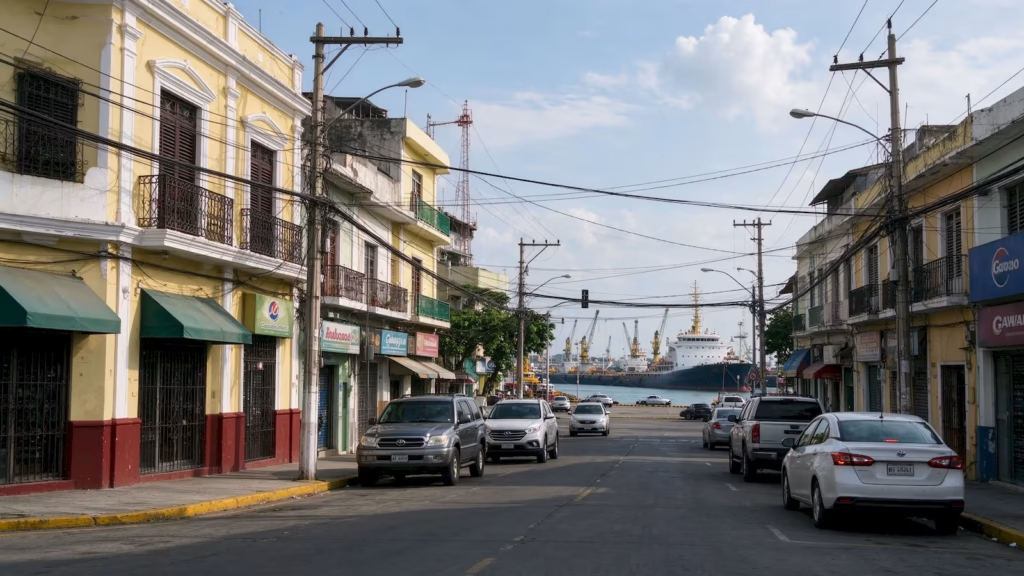
Ecuador is a compact but steady market for engine oil in South America, with a vehicle park that keeps growing and an economy anchored by mining, agriculture, and transport. Its lubricant demand is supplied by a mix of local producers, importers, and international brands, and imports play a significant role. For a distributor or importer, Ecuador offers a clear path to build a position—especially by partnering with the established players, choosing the right segments, and working within the country’s market structure. This guide outlines the opportunity and how to enter it.
Market Structure and Key Players
Ecuador’s lubricant market is organized around a small number of significant companies. The Ecuadorian Lubricants Association (APEL) reports 29 member companies that produce, import, or export lubricants, and together these account for roughly 90% of the country’s lubrication demand while also exporting to the region. This concentration means the market is accessible and structured: the major brands dominate, but the remaining share—plus growth in segments the majors under-serve—leaves room for importers and distributors, especially in private label and value segments. Understanding who the main players are and where they are strong is the first step to finding your opportunity.
Import Flows and Sources
Imports are a significant part of Ecuador’s engine oil supply. Trade data shows active import activity: in the twelve months to mid-2025, buyers imported over 21,000 shipments of gasoline engine oil, sourced from hundreds of exporters, with Mexico, Russia, and Vietnam among the top origins. Separate figures show more than 1,000 verified lubricant buyers in Ecuador importing from over 2,000 global suppliers. This tells a supplier that Ecuador’s distribution network is active, receptive to imports, and familiar with international products—so an import-oriented supplier, including one from China, can find willing buyers and partners.
| Indicator | Figure | Source |
|---|---|---|
| APEL member companies | 29 producers/importers/exporters | APEL |
| Share of national demand served by members | ~90% | APEL |
| Gasoline engine oil shipments (12 mo to mid-2025) | >21,000 shipments; 591 exporters; 704 buyers | Volza |
| Verified lubricant buyers in Ecuador | >1,000 importing from >2,000 suppliers | Volza |
Demand Drivers and Segments
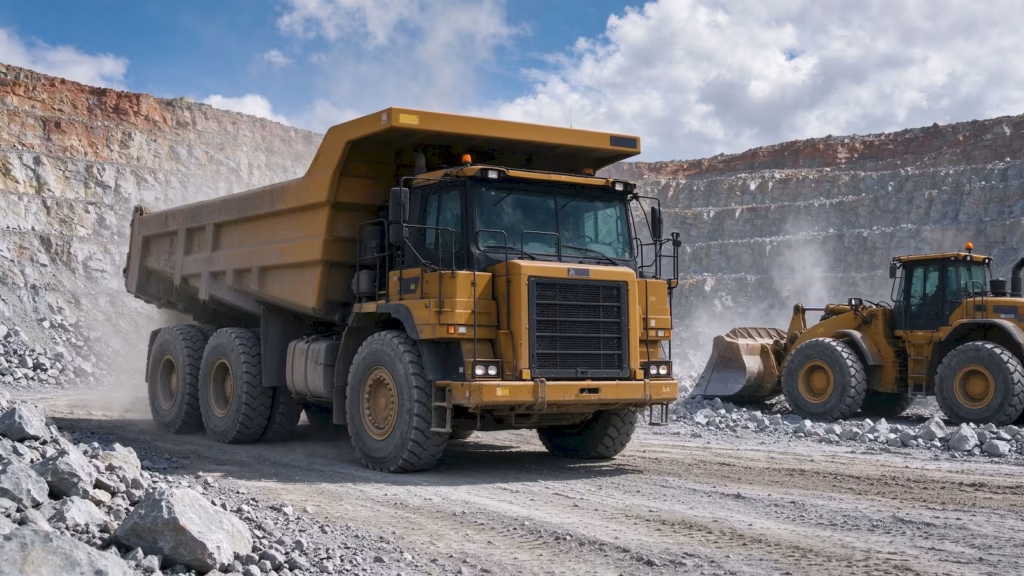
Several forces sustain demand for engine oil in Ecuador. The vehicle park grows with the economy, driving steady demand for passenger-car oil in grades like 10W-40 and 20W-50. Ecuador’s mining sector—one of Latin America’s larger producers—and its agriculture create continuous demand for heavy-duty diesel oil (15W-40) and hydraulic oil for equipment. Transport and logistics add commercial demand. Passenger vehicles and light commercial vehicles are the largest segments, but mining, agricultural, and industrial equipment represent a valuable and less price-sensitive opportunity. Suppliers who cover both the automotive tier and the industrial tier capture the widest base.
How to Enter the Ecuadorian Market
To build an engine oil distribution position in Ecuador, follow a structured path. First, identify a segment: private label for regional distributors, value passenger-car oil, heavy-duty oil for mining and agriculture, or motorcycle oil. Second, work with a local distributor or partner who understands the market, customs, and retail channels, rather than trying to sell directly into a country you do not know. Third, carry the grades the market actually uses—10W-40 and 20W-50 for the car fleet, 15W-40 for trucks and equipment, and appropriate hydraulic and industrial grades—with products that meet API and ACEA specifications. Fourth, provide complete documentation including certificate of analysis and SDS, so your importer clears customs smoothly and your product is credible with end customers.
Practical Considerations for Importers
Ecuador imports mainly by sea, and its market is served through Guayaquil, the principal port, among others. When you supply Ecuador, model the landed cost—factory price, ocean freight, insurance, import duty, and internal taxes—before pricing. Prepare accurate documentation: commercial invoice, packing list, certificate of origin, and SDS. Confirm labeling and any conformity requirements for lubricants in Ecuador, and work with a forwarder experienced in the market. Because a few large players hold most of the share, differentiation comes from consistency, documented quality, and a local partner who can reach the segments those majors under-serve.
Ecuador offers a real, structured opportunity for engine oil distribution. Its market is organized around a few major players who serve most of the demand, but imports are active and the mining, agriculture, and value segments leave room for a focused supplier. Choose a segment, partner locally, carry the right grades, and document your quality. With the right approach, Ecuador becomes a steady, profitable market.