
Most of the oil consumed on an Australian mine site is heavy-duty diesel oil in a 15W-40 or a 5W-30 grade, and asking a Chinese supplier for 0W-20 for mining equipment usually means one of two things: an auxiliary engine that genuinely takes it, or a specification copied from a passenger car catalogue and pasted onto a mine site where it does not belong.
The first step is therefore not sourcing. It is separating the genuine 0W-20 applications from the ones where the grade was assumed, because a container of the wrong grade is expensive to land and impossible to sell into a workshop that knows what the manuals say.
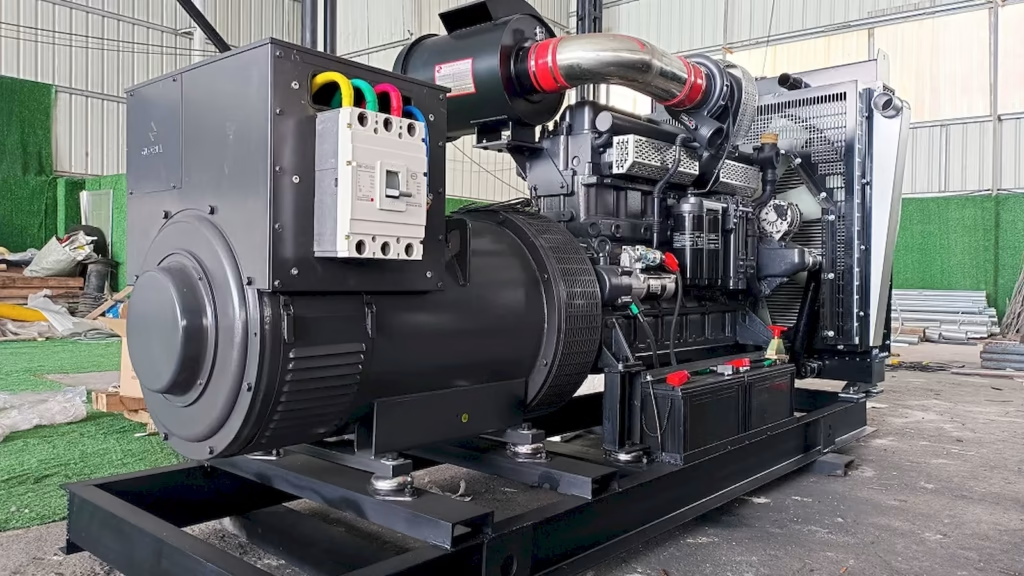
- Light auxiliary engines on generators, pumps and compressors where the OEM specifies a low-viscosity grade for fuel economy or cold starting.
- Some modern light commercial and crew vehicles in the site fleet, where the manual names an API SP or ACEA C5 grade.
- Equipment operated in cold highland conditions where a low-viscosity oil is permitted for start-up and the ambient stays low.
- Not the haul trucks, loaders or drills, whose engines are specified around a heavy-duty diesel category and a much higher viscosity.
| Application | Grade commonly permitted | What decides it |
|---|---|---|
| Generators and pumps | 0W-20 where the OEM names it | The manual’s approval, not the ambient |
| Site light commercial fleet | 0W-20 or 5W-30, API SP | Engine design and warranty terms |
| Haul trucks and loaders | 15W-40 or 5W-30 heavy-duty diesel | Heavy-duty category and OEM approval |
A 0W-20 built for a passenger car and a 0W-20 permitted by an industrial engine OEM share a grade and share almost nothing else. The industrial approval, where one exists, names a category, a high-temperature high-shear level and sometimes a specific OEM test. Without the approval number, the buyer has a viscosity and a promise.
The commercial risk sits with the buyer who substitutes. If a warranty claim follows a failure, the oil’s approval list is the first document the OEM asks for, and a certificate that shows the right viscosity but no approval ends the conversation.
Ambient in the Pilbara and in the Bowen Basin does not test a 0W-20’s cold flow; it tests its high-temperature stability, its volatility and its ability to hold film at sustained load. The W half of the grade is largely irrelevant on site and the 20 half is the risk. That is why an OEM that permits 0W-20 in a cold climate may require a higher grade in a hot one, and the manual’s ambient table rather than the marketing sheet decides.
Dust is the second condition. Intake contamination and silicon in used oil are routine findings on site, and a low-viscosity oil has less margin against abrasive wear than a heavier grade at the same additive treat rate. Oil analysis, not the data sheet, is what shows whether the choice is working.
Australia applies ISPM 15 to solid wood packaging, so pallets, crates and dunnage must be treated and marked, and a packing declaration is part of the documentary set. Non-compliant wood is dealt with at the border, and the cost of that arrives before the oil does.
Beyond the wood, the practical questions are pack format and handling. Drums and totes move well into a site store; pails are convenient for auxiliary equipment and awkward to handle in volume. A first container should not be one format, and it should not be loaded without a packing list that states net liters per pallet and per container.
- Which machines on the site actually list 0W-20 in their manual, by model and engine?
- What approval does each of those manuals name, and can the supplier show the approval number?
- What ambient range does the manual’s grade table cover, and does the local summer fall inside it?
- Is the packaging ISPM 15 compliant, and who signs the packing declaration?
- Who is the importer of record, and has the tariff classification been confirmed for the finished lubricant?
If-then: if the manual names a heavy-duty diesel category, then 0W-20 is the wrong product regardless of what the ambient table says. If an auxiliary engine permits 0W-20, then buy it against the OEM approval and not against the grade alone. If the pallets are not ISPM 15 marked, then fix the packaging before booking, because biosecurity treatment at the border costs more than the pallet.
Sourcing 0W-20 or a mixed low-viscosity range for Australian site fleets and need the approval list, the pack plan and the biosecurity paperwork settled first? Send the machine models, the ambient range and the destination port, and we will return the specification with the documents that have to travel with it.
Is 0W-20 used on Australian mine sites?
On some auxiliary and light fleet engines where the OEM permits it. Haul trucks, loaders and drills generally run a heavy-duty diesel oil at a much higher grade.
Can a passenger car 0W-20 be used in an industrial engine?
Only if the OEM approval list includes that engine. The grade matches and the approval does not, and the approval is what a warranty claim turns on.
What packaging rules apply to wooden pallets?
Australia applies ISPM 15 to solid wood packaging, requiring treatment and marking, with a packing declaration as part of the documentary requirements.
Should the first order be a full container of one grade?
Usually not. A mixed container across the formats the site consumes sells through faster than a single slow-moving grade.
References and Further Reading
- Australian Government – ISPM 15 wood packaging requirements
- Australian Government – minimum documentary requirements
- API – engine oil categories and licensing
The grade itself is covered in how to evaluate HTHS viscosity before buying, the audit side in what a factory audit should check, the heavy end in oilfield equipment oil, and the sourcing frame in sourcing engine oil from China.