
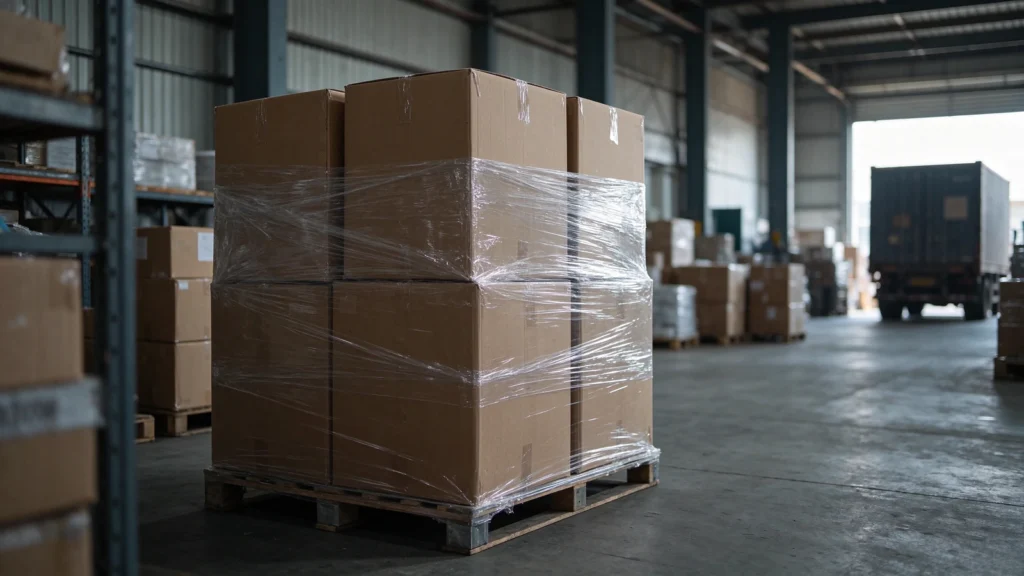
A mixed container is the normal way a distributor starts: four grades, three pack sizes, one shipment. It is also where money quietly disappears, because a container is filled by volume and weighed by mass, and the two limits arrive at different times. Planning the load before the proforma is signed is cheaper than explaining a half-empty 40ft at destination.[1][2]
If the Container Is 20ft, Volume Fills Before Weight Does
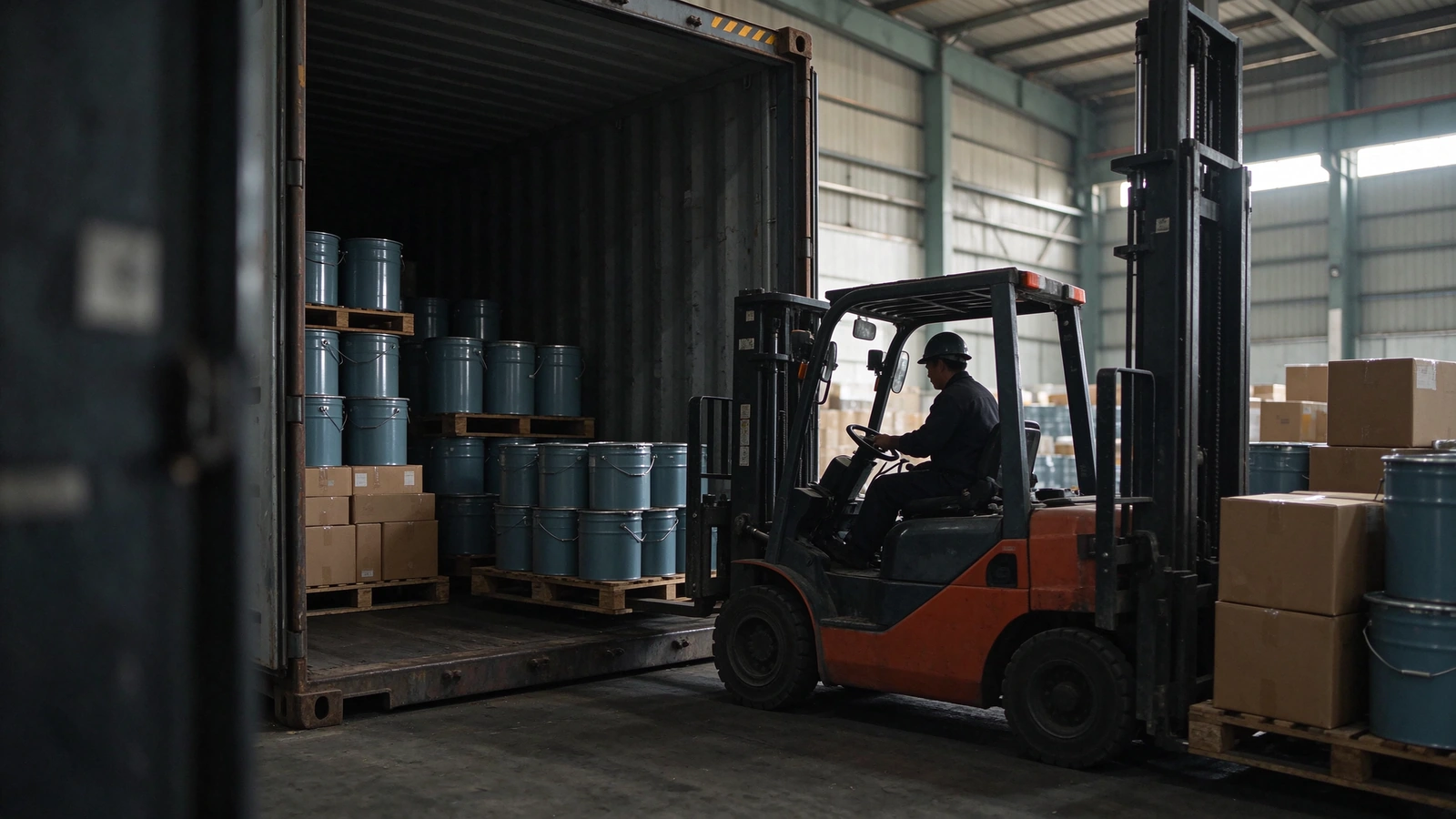
A 20ft box carries roughly 33 cubic metres and about 28 tonnes of payload, and lubricant packs are light for their size. Eighty 200L drums move 16,000 litres at well under the weight limit; the same box holds about 960 twenty-litre pails, or 1,100–1,200 cartons of four-litre packs, and each of those pack options uses the cube differently.[1] Build the plan in pallet positions first, then convert pallets to litres per SKU. A load that is “60 percent full” on paper is usually a load with the wrong pallet pattern, not a load with too little oil.
If You Mix Grades, Set the Minimum per SKU Before the Blend
Every grade in the order is a separate blend, a separate label and a separate lot number. A 2,000-litre minimum per grade keeps a blend economical; splitting the same tonnage across six grades turns one efficient run into six expensive ones, and the surcharge lands on the price per litre rather than on the freight line.[2] Decide the grade count from what the market will absorb in one stocking cycle, not from what the catalogue offers. Three grades and two packs is a realistic first container; eight grades in one 20ft is a planning failure dressed as flexibility.
If Packs Differ, Load Heavy First and Keep SKUs Segregated
Drums go on the floor, pails on the tier above, cartons on top, and every SKU keeps its own pallet positions so the consignee can count it at the door. Mixed pallets save a few percent of cube and cost far more in sorting time at destination, where labour is often the expensive part of the operation. Mark each pallet with grade, pack, lot and quantity on two faces, and photograph the finished load before the doors close. Avoiding packaging errors in engine oil orders lists the marks that prevent a claim.[3]
If the Order Crosses 40ft, Split It by Destination Rather Than by Grade
Two 20ft boxes can go to two ports and clear separately; one 40ft box goes to one port and ties up the whole order while a single document is queried. Freight per litre in a 40ft is lower, but the capital tied up in a delayed single shipment is larger, and a port strike stops everything at once. Where the market is large enough to absorb it, a 40ft with a clean SKU list and one consignee beats two half-filled 20ft boxes. Where the buyer is still testing demand, the smaller box is the better risk trade.[4]
If Documents List One Line, Customs Will Price One Product
A packing list that says “engine oil, 18,000 litres” invites a single valuation and a single inspection, and the inspection will be of whichever pallet the officer opens. List each SKU with grade, pack size, quantity, net and gross weight, lot number and HS code line. Lubricants normally sit under heading 2710, so the duty rate is common across the lines, but the value per line still has to be defensible. Seaworthy packing is the other half of the same document set.[5] Seaworthy packaging for engine oil imports covers the pallet and stretch-wrap detail.
| Order situation | Binding limit | Default plan | Main risk | How to verify |
|---|---|---|---|---|
| First container, 3–4 grades | Cube, not weight[1] | 20ft, drums plus one pail line | Half-empty pallet positions | Pallet count per SKU |
| Many SKUs, small volumes | Blend minimums[2] | Cut grade count, hold pack count | Surcharge per litre | Written MOQ per grade |
| Retail channel heavy | Carton cube and weight | Cartons on top, drums below[3] | Crushed cartons in transit | Load photo, stacking marks |
| Two ports, one buyer | Clearance and cash | Split into two 20ft boxes[4] | One document delays all | Customs entries per port |
| Fleet contract, single grade | Storage at buyer | 40ft of drums, one lot[4] | Cash tied up in stock | Monthly draw-down schedule |
Frequently Asked Questions
How many 200L drums fit in a 20ft container? About eighty, on twenty pallets of four drums, which is roughly 16,000 litres.[1]
Is it cheaper to mix packs or to ship one pack size? One pack size is cheaper per litre; mixing only pays when the channel needs both drums and cartons in the same cycle.[2]
Can I put four grades on one pallet? You can, but the consignee then has to break and recount it, which usually costs more than the cube saved.[3]
Does a 40ft always lower freight per litre? Yes per litre, but not per risk: one delayed box delays the entire order.[4]