
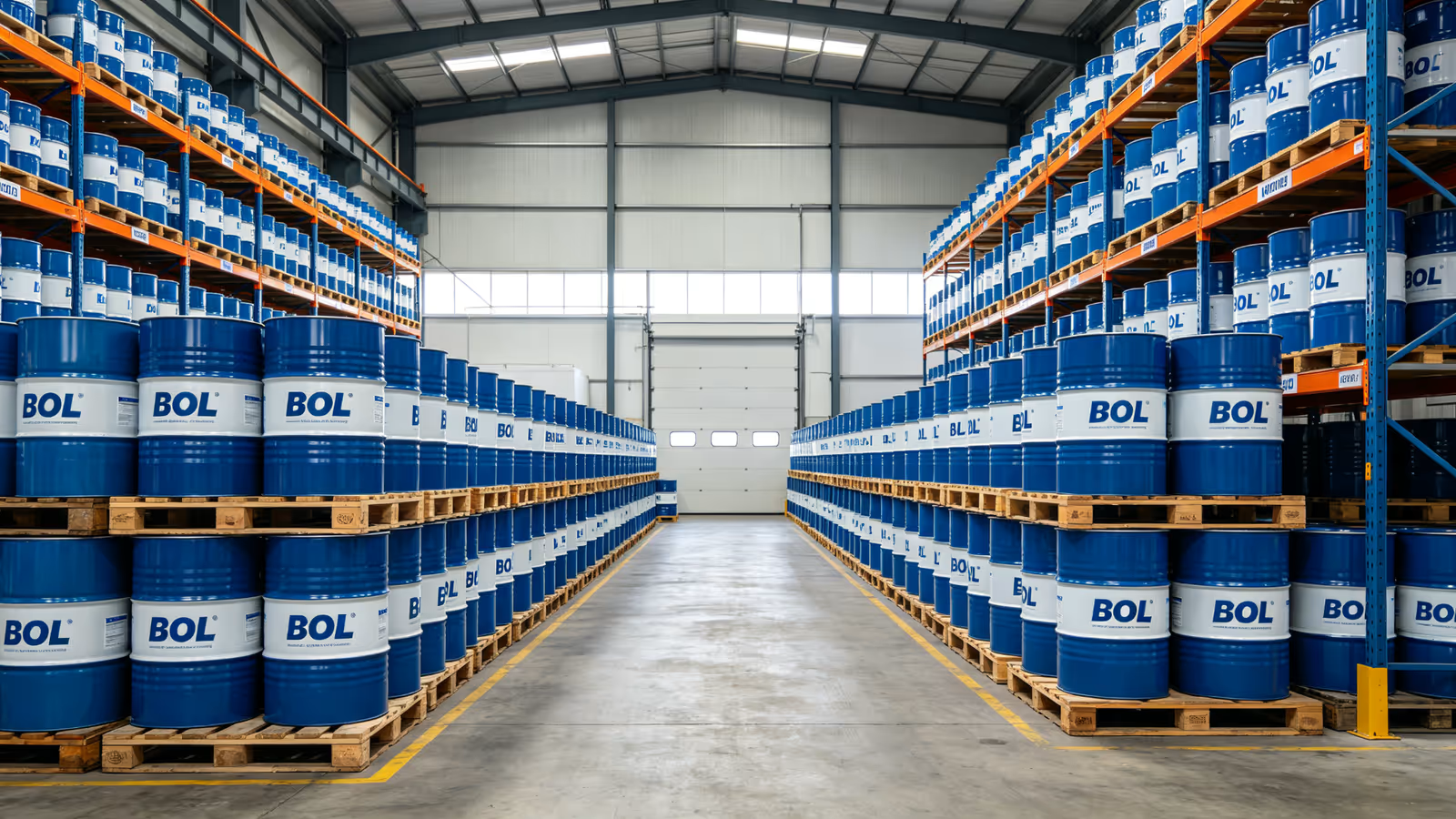
Proper storage and handling help preserve engine oil quality from delivery through final use. Distributors, workshops, fleet operators, and industrial buyers can reduce contamination and avoid unnecessary product loss by following a few practical procedures.
Keep Containers Clean and Sealed
Store oil in original, clearly labeled containers whenever possible. Keep caps, bungs, and lids tightly closed to prevent dust, water, and other contaminants from entering the product. Never use unmarked containers for lubricant storage.
Choose a Suitable Storage Area
Use a clean, dry, and well-ventilated storage area protected from rain, standing water, direct sunlight, and extreme heat. Keep containers away from chemicals or materials that could damage packaging or contaminate the lubricant.
Handle Drums Safely
Move drums with suitable handling equipment and avoid dropping, dragging, or striking them. Before dispensing, wipe the area around plugs and fittings so contamination does not enter the container or dispensing system.
Use First-In, First-Out Rotation
Label deliveries with receiving dates and organize stock so older suitable inventory is used first. Regular stock rotation improves traceability and helps prevent products from remaining unused for extended periods.
Inspect Before Use
Check the container, label, seal, and product appearance before use. If packaging is damaged or the product may have been exposed to water or other contaminants, isolate it and request technical guidance before putting it into service.
Conclusion
Clean storage, sealed containers, careful handling, stock rotation, and inspection are simple ways to protect engine oil quality. These practices support reliable maintenance and help businesses deliver consistent lubricant performance to their customers.