Our Blog
Engine Oil Insights & Industry Updates

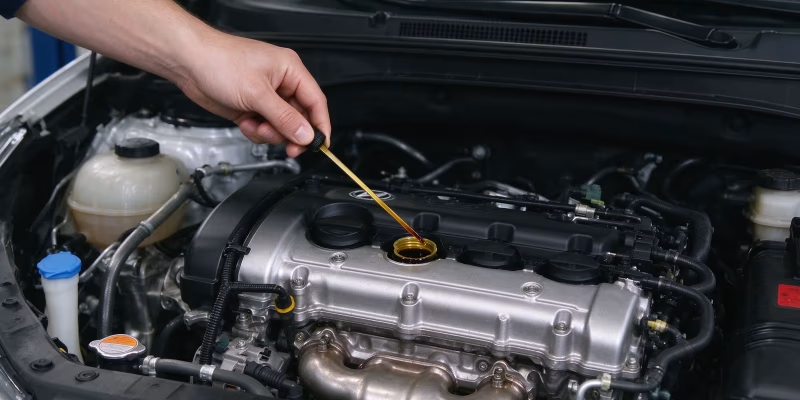
Why Low-Viscosity Demand Is Rising Low-viscosity engine oils such as 0W-20, 0W-16, and 5W-30 have gone from a niche to a mainstream category. Modern engines are designed for them to improve fuel economy and reduce emissions, and vehicle makers increasingly require them. For distributors, this is both an opportunity and a challenge. The demand is […]

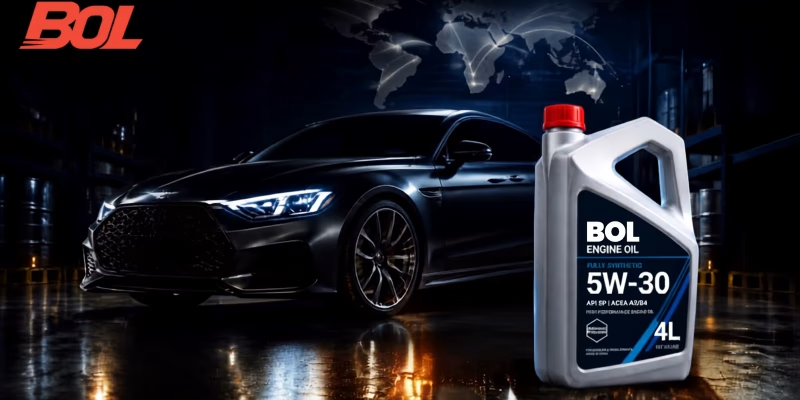
What Does OEM Engine Oil Mean? OEM engine oil—oil sold under an original equipment manufacturer’s brand or to OEM standards—is one of the most common ways distributors and workshops buy lubricants. It promises a known quality level and strong resale appeal. But buying wholesale OEM engine oil also carries real risks: mislabeled grades, unverified origins, […]

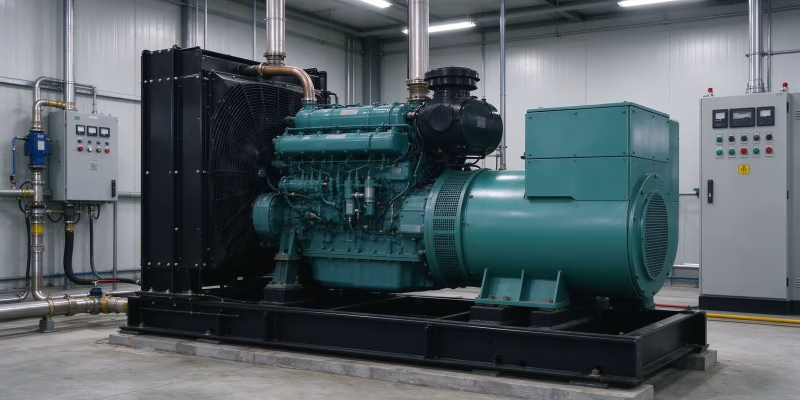
Why Backup Generator Oil Matters Backup generators sit idle most of the year, but when the power goes out they have to start and run under full load immediately. That makes their engine oil different from a daily driver’s. The oil has to protect an engine that may sit for weeks or months, then work […]

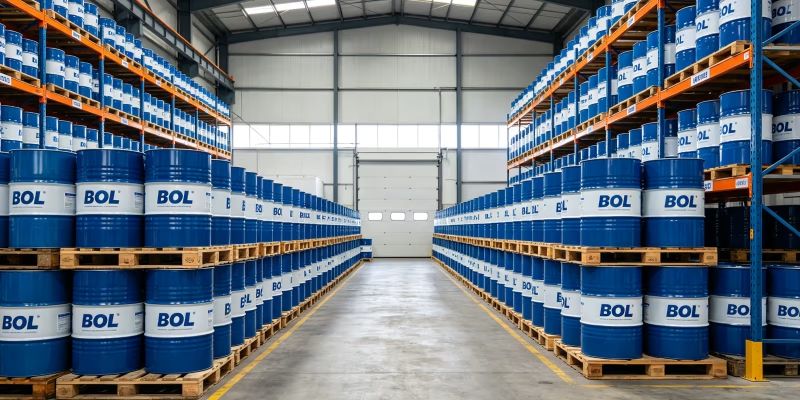
The Three Main Packaging Formats Packaging is one of the first decisions an engine oil distributor makes, and it is easy to get wrong. Choose the wrong format and you either overpay for freight, lose retail shelf appeal, or frustrate fleet customers who need large volumes. Bottles, pails, and drums serve completely different buyers, and […]

Why Quality Inspection Matters for Engine Oil Imports Buying engine oil from overseas, especially from China, can save you money and open up strong private-label and distribution opportunities. But the savings disappear quickly if a container arrives with off-spec oil, mislabeled grades, or inconsistent batches. A disciplined quality inspection process before and after shipment is […]

A practical guide for distributors, wholesalers, fleets, and importers evaluating engine oil suppliers, technical documentation, packaging, and bulk supply capability.
Practical engine oil storage and handling guidance covering sealed containers, clean storage areas, drum handling, stock rotation, and inspection.

Private label engine oil lets distributors and businesses launch their own brand without owning a factory. A reliable production partner handles formulation, packaging, and quality while you build market presence. What Private Label Means With private label, a lubricant manufacturer produces oil to your specifications under your brand name. You control the packaging design, the […]

Climate has a direct impact on which engine oil performs best. Understanding seasonal differences helps vehicle owners choose correctly and helps distributors stock the right mix for their market. Why Temperature Matters Viscosity changes with temperature. In cold weather, oil must flow quickly for easy starting. In hot weather, it must stay thick enough to […]

Engine oil does far more than reduce friction. It protects against wear, cleans internal parts, resists corrosion, and helps cool the engine. Understanding these roles explains why oil quality matters so much. The Five Jobs of Engine Oil Wear Protection in Action A thin but strong oil film separates moving metal parts at high speed. […]

Motorcycles run hotter, rev higher, and shift differently than cars. Their engines demand timely oil changes and the right oil specification. Here is a practical guide for riders, workshops, and oil suppliers. Why Motorcycles Need Special Oil Most motorcycles share engine oil with the clutch and gearbox. The oil must lubricate the engine while letting […]

Modern passenger diesel engines and light commercial vehicles have specific oil requirements. Choosing the right oil protects diesel particulate filters (DPF) and keeps the engine running efficiently. Diesel Engines Are Different Diesel engines produce more soot and operate with higher combustion pressures than gasoline engines. Their oil must handle soot, resist shear, and protect against […]

How often should engine oil be changed? The answer depends on the oil type, the driving conditions, and the manufacturer’s recommendation. Understanding intervals helps both vehicle owners and lubricant suppliers. Why Oil Needs Changing Engine oil degrades over time and use. Contaminants, heat, and combustion by-products break down the additives and thicken or thin the […]

High-mileage engine oils are formulated for vehicles with more than 100,000 kilometers on the odometer. As engines age, seals shrink, and internal clearances grow. High-mileage oils address these specific issues. What High-Mileage Oil Does High-mileage oils contain seal conditioners that help rejuvenate aged rubber seals, reducing oil leaks. They also use higher levels of anti-wear […]

Turbocharged engines run hotter and put more stress on engine oil than naturally aspirated engines. Using the wrong oil can lead to coking, sludge, and premature turbo failure. Here is what matters when selecting oil for turbo engines. Why Turbos Are Hard on Oil A turbocharger can spin at over 150,000 rpm and reach very […]

Choosing the right engine oil for a car is not about picking the most expensive bottle on the shelf. It is about matching the oil to the engine, the driving conditions, and the manufacturer’s specification. For distributors and retailers, understanding these choices helps you stock products that genuinely fit the market. Start with the Owner’s […]

Engine oil is a stable product, but its quality can degrade if stored incorrectly — and for distributors holding significant inventory, storage mistakes translate directly into lost stock and unhappy customers. Understanding how to store engine oil properly, and how long it truly lasts, protects your investment and your reputation. How Long Does Engine Oil […]

Heavy-duty diesel engines power trucks, buses, construction equipment and agricultural machinery — and they demand oils built for extreme heat, soot loading and long service intervals. For distributors serving the commercial vehicle market, understanding the difference between API CK-4, CJ-4 and related categories is essential to spec the right product. The Core Categories Explained Category […]

Industrial lubricants form a large and varied category — from hydraulic oils that power factory machinery to gear oils that protect heavy equipment and compressor oils that keep air systems running. For distributors looking to expand beyond automotive engine oil, industrial lubricants offer higher-value products and stable, recurring industrial demand. Key Industrial Lubricant Types Type […]

China is one of the world’s largest producers of automotive lubricants, with a mature supply chain, advanced manufacturing capacity and competitive pricing. For importers, distributors and wholesalers, sourcing engine oil from China can offer a strong value proposition — but success depends on choosing the right partner and managing the process correctly. Why Source from […]