
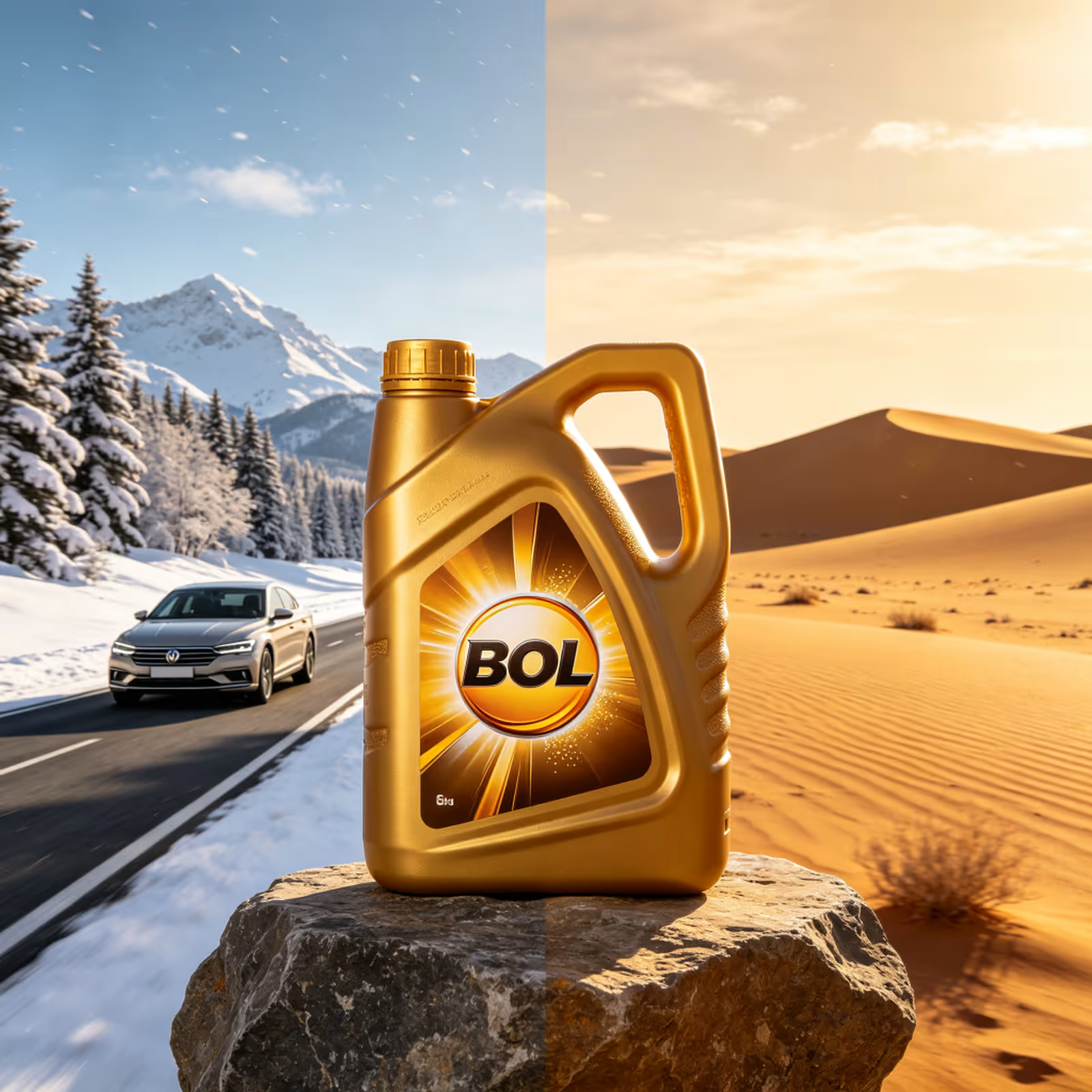
Climate has a direct impact on which engine oil performs best. Understanding seasonal differences helps vehicle owners choose correctly and helps distributors stock the right mix for their market.
Why Temperature Matters
Viscosity changes with temperature. In cold weather, oil must flow quickly for easy starting. In hot weather, it must stay thick enough to protect under load. The SAE viscosity grade describes this behavior.
Cold Weather: The Winter ‘W’
The ‘W’ in grades like 5W-30 stands for winter. A lower number means better cold-flow performance. In regions with freezing winters, 0W or 5W grades ensure reliable cold starts and immediate lubrication.
Hot Weather and Heavy Loads
In hot climates or for heavily loaded vehicles, a higher high-temperature grade (such as 40 or 50) maintains a stronger oil film. Older engines and high-mileage vehicles often run better on slightly thicker oil.
| Season / Climate | Recommended Grade | Application |
|---|---|---|
| Cold winter | 0W-20 / 5W-30 | Modern engines, cold starts |
| Mild all-year | 5W-30 / 5W-40 | Balanced protection |
| Hot climate | 10W-40 / 15W-40 | Older engines, heavy loads |
| Very hot / severe | 20W-50 | High-mileage, tropical use |
Stocking Advice for Distributors
If your market has distinct seasons, stock a spread of grades so customers always find the right oil. In tropical markets, focus on thicker grades. Understanding the local climate profile is a competitive advantage.
BOL supplies engine oils across SAE grades for every climate and season. Contact us to build a product range matched to your market.