
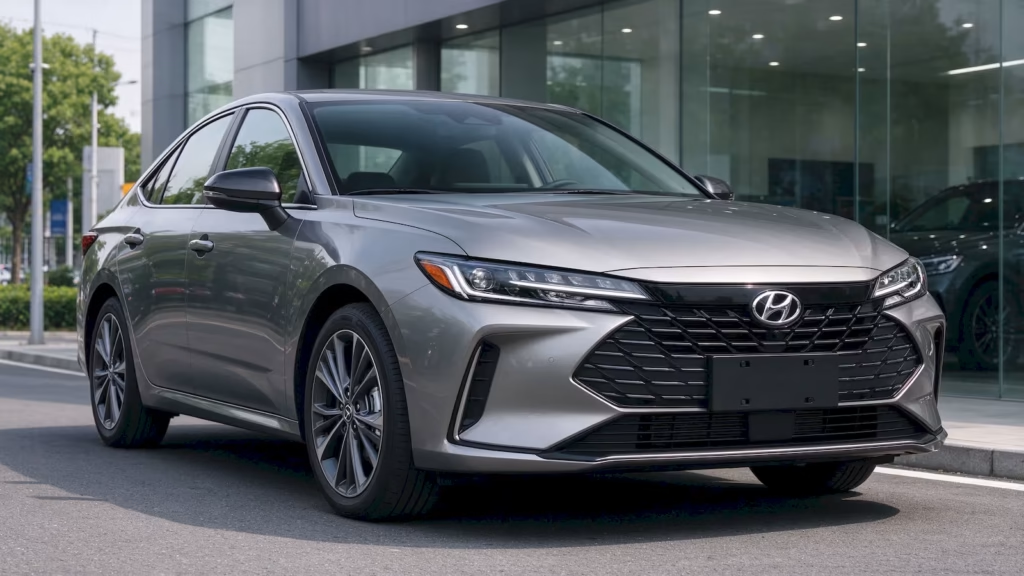
0W-20 is a low-viscosity, fuel-economy engine oil that has become the recommended grade for a growing number of modern engines—especially Japanese, Korean, and hybrid vehicles. Its very low cold-temperature viscosity (‘0W’) provides easy cold starts, and its thin high-temperature viscosity (’20’) reduces internal friction, which improves fuel economy. But 0W-20 is not for every engine, and choosing it requires understanding which vehicles specify it, what specification it must meet, and what to consider when buying. This guide covers the applications and the buying considerations.
What 0W-20 Is and What It Does
The SAE grade 0W-20 combines a ‘0W’ winter rating, meaning excellent flow at low temperatures for reliable cold cranking and fast oil circulation, with a ’20’ high-temperature rating, meaning a relatively thin oil at operating temperature. The thin film reduces friction and hydrodynamic drag inside the engine, which lowers fuel consumption and can reduce emissions. This is why 0W-20 is a cornerstone of modern fuel-economy engines. The trade-off is that thinner oil provides a thinner protective film, so it is only suitable for engines engineered to run it—using 0W-20 in an engine that does not specify it can risk inadequate protection.
Which Applications Use 0W-20
0W-20 is most commonly recommended for modern Japanese and Korean passenger cars, where manufacturers have long favored low-viscosity oil for fuel economy, and for hybrid vehicles, whose engines run intermittently and benefit from easy starts and low friction. Many newer engines across the industry—including some European and American models—now specify 0W-20 or lighter grades to meet fuel-economy and emission targets. It is less common for older engines, heavy-duty diesel trucks, or high-performance applications, which usually specify heavier grades. Always follow the OEM recommendation; if the owner’s manual specifies 0W-20, use it, and if it specifies a heavier grade, do not substitute.
| Application | 0W-20 Suitability | Notes |
|---|---|---|
| Modern Japanese / Korean cars | Standard recommendation | Fuel-economy focused |
| Hybrid vehicles | Standard recommendation | Intermittent engine running |
| Newer Euro / US models | Increasingly specified | Check OEM manual |
| Old engines / heavy-duty diesel | Not recommended | Use the heavier specified grade |
Specifications: ILSAC GF-6 and API SP
0W-20 for modern gasoline engines is defined by performance categories. The current ILSAC specification is GF-6 (GF-6A for 0W-20, GF-6B specifically for 0W-16 and lighter), which adds protections for timing-chain wear, low-speed pre-ignition, and fuel economy over the earlier GF-5. On the API side, the matching category is API SP (Resource Conserving), and many 0W-20 products also carry GF-6A. For newer engines, choose 0W-20 that meets ILSAC GF-6A and API SP. Confirm the specification on the label and the certificate of analysis, because a 0W-20 that meets only older categories may not protect a modern engine properly.
Buying Considerations
When you buy 0W-20, focus on three things. First, confirm the specification: for modern engines, choose ILSAC GF-6A and API SP 0W-20, and check the label. Second, understand that most 0W-20 is fully synthetic—the thin oil must be built on high-quality Group III, PAO, or ester base stocks to maintain protection—so expect a premium price, and avoid cheap ‘mineral’ 0W-20 that may not be a genuine specification. Third, verify quality with the certificate of analysis: check the viscosity at 100 °C (SAE 20 band, roughly 6.9 to 9.3 mm²/s), the low-temperature cranking viscosity, and the cold pumping viscosity. A genuine 0W-20 documents these values.
Stocking and Market Positioning
For distributors, 0W-20 is a growth grade as the vehicle park modernizes and hybrids become more common. It is especially relevant in markets with strong Japanese and Korean car brands, and in regions where fuel-economy and emissions rules push toward low-viscosity oil. Stock 0W-20 alongside the heavier volume grades—10W-40, 5W-30—so you cover both the modern and the older fleet. Position 0W-20 as the premium, fuel-economy option for newer and hybrid vehicles, and document its GF-6A/API SP specification and synthetic base oil to justify the price. As the fleet modernizes, 0W-20 becomes a steady, higher-margin product.
0W-20 buyers should also pay attention to drain intervals and warranty requirements. Modern OEMs often specify extended service intervals for their low-viscosity, fuel-economy oils, and using the right specification—GF-6A/API SP—is part of maintaining the vehicle’s warranty and performance. For a buyer or fleet, this means following the manufacturer’s recommended interval and confirming the oil meets the spec, because using an incorrect grade can void warranty coverage or compromise protection. When you sell 0W-20, document its specification clearly and confirm with the customer which vehicles it is approved for, so the right oil goes in the right engine.
The demand for 0W-20 is uneven across markets, and distributors should read their local vehicle park before stocking heavily. In markets with strong Japanese, Korean, and hybrid penetration, 0W-20 is a growing, mainstream grade; in markets dominated by older cars and commercial vehicles, demand is thinner and 10W-40 or 15W-40 still lead. Assess how many of your local vehicles specify 0W-20, then position it as the premium fuel-economy option for those vehicles, alongside your volume grades. This avoids overstocking while still capturing the growth segment as the fleet modernizes. The right inventory balance comes from matching the grade to the vehicles your market actually runs.
0W-20 is the fuel-economy grade for modern and hybrid engines, defined by its low cold-flow and thin operating viscosity, and required to meet ILSAC GF-6A and API SP for current vehicles. Choose it only for engines that specify it, confirm the specification and synthetic base oil, and verify quality with the certificate of analysis. For distributors, 0W-20 is a growing premium segment that complements the heavier grades as the fleet modernizes.