
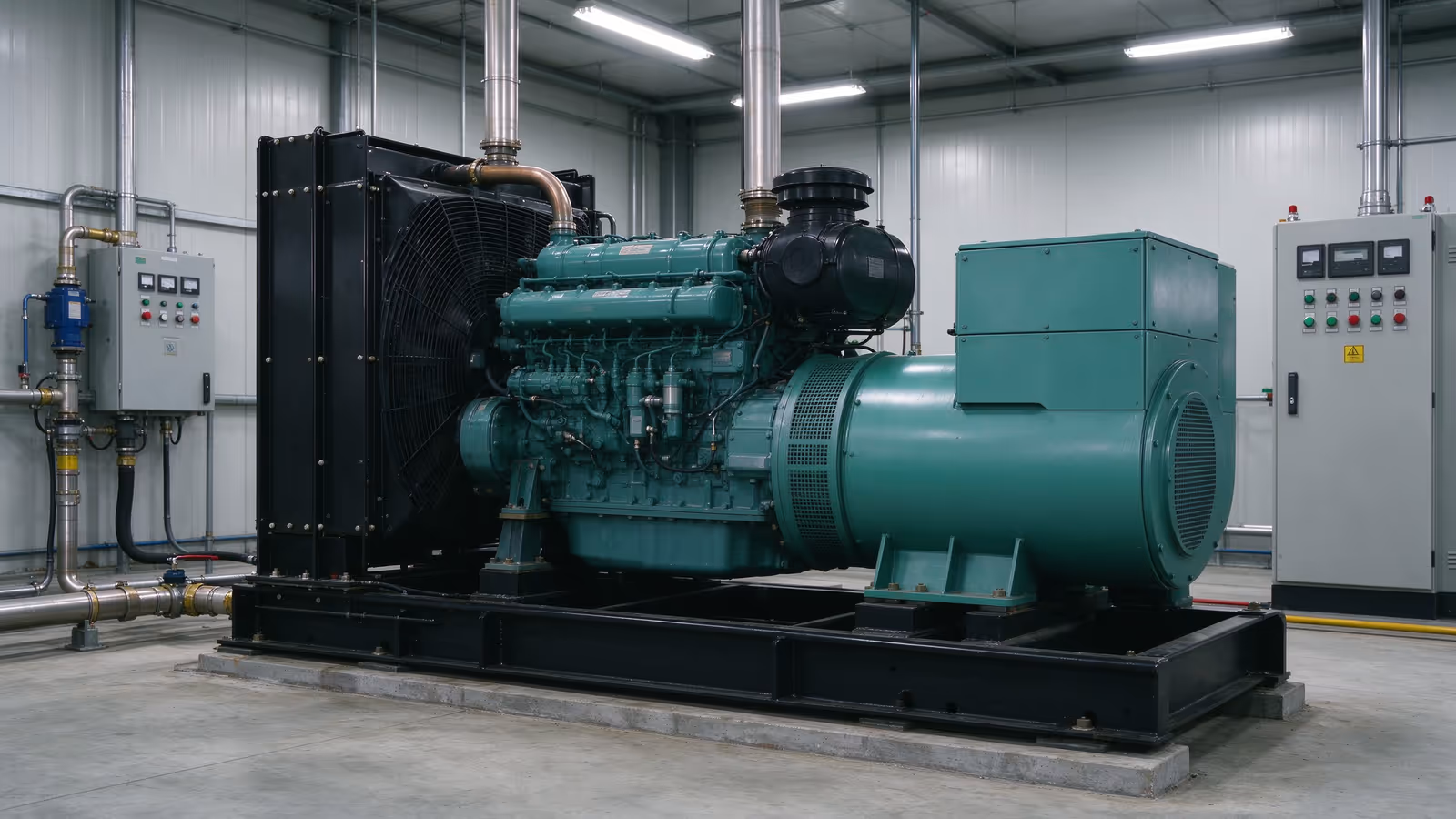
Why Backup Generator Oil Matters
Backup generators sit idle most of the year, but when the power goes out they have to start and run under full load immediately. That makes their engine oil different from a daily driver’s. The oil has to protect an engine that may sit for weeks or months, then work hard in high-temperature conditions. Choosing the wrong oil, or neglecting changes, is one of the most common reasons standby generators fail when they are needed most. Here is what distributors and operators should know about engine oil for backup generators.
A standby generator is rarely driven like a vehicle. It runs for hours under constant load, often in a hot enclosure, and then sits unused. This pattern stresses the oil in specific ways. High operating temperatures promote oxidation, while long idle periods allow moisture and condensation to build up in the oil. If the oil degrades or is contaminated, the engine can seize or fail to start in an emergency. For commercial and industrial facilities that depend on backup power—hospitals, data centers, farms, telecom sites—the cost of failure is enormous. Correct oil is a simple, inexpensive way to protect that investment.
Recommended Viscosity and Specifications
For most diesel-powered backup generators, a 15W-40 oil is the common recommendation, matching typical operating temperatures and the engines used in gensets. In colder climates, a 10W-30 may be chosen for better cold-start flow. The specification matters as much as the viscosity. Look for a quality diesel oil that meets API CK-4 or CJ-4 for modern engines, or an equivalent ACEA category for the specific engine. Check the generator manufacturer’s manual—they specify the exact viscosity and API or ACEA class for the engine, and deviating from it can void the warranty. When in doubt, the manufacturer’s spec wins.
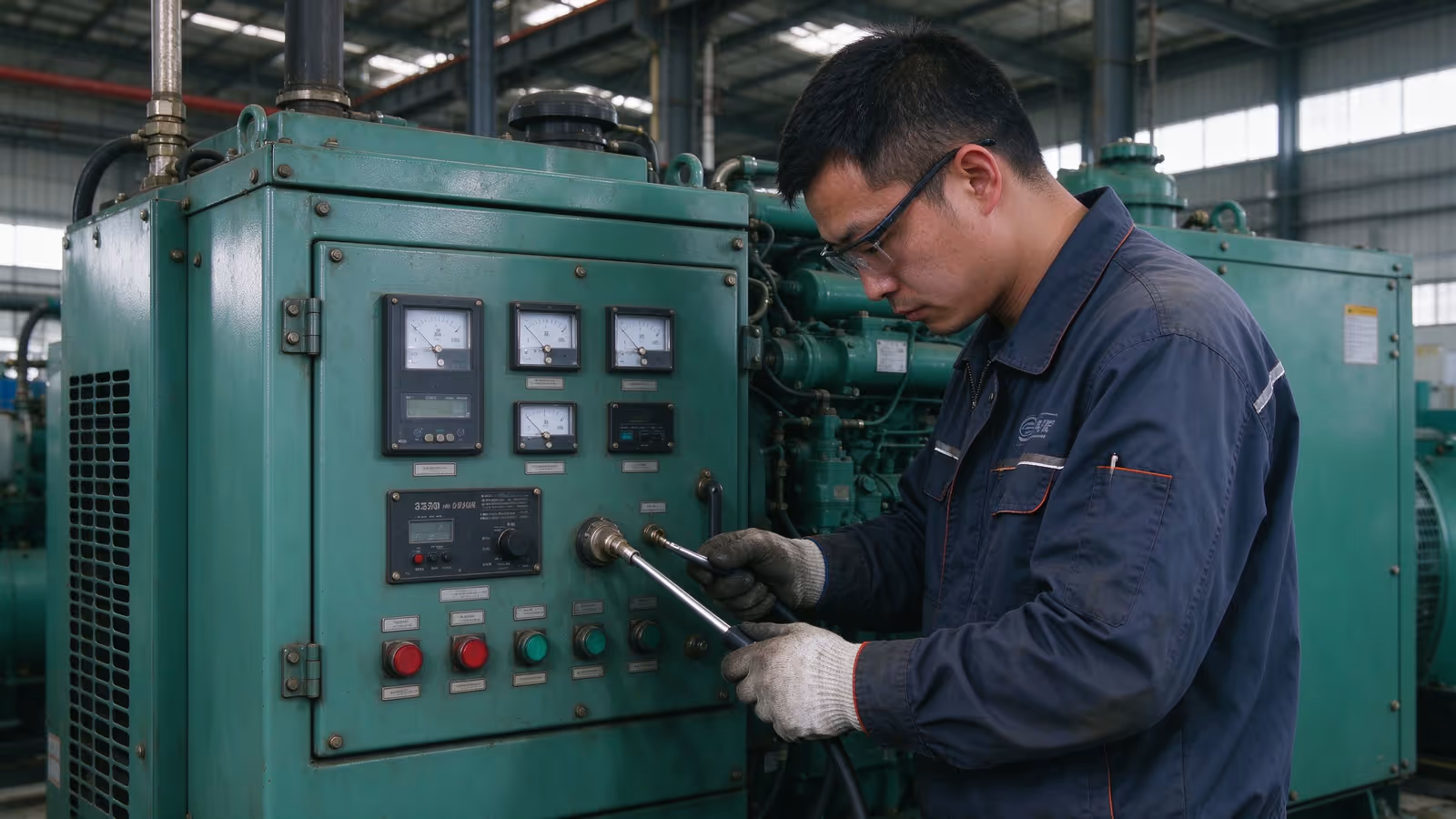
Gasoline vs Diesel Generator Oil
Generators run on different fuels, and the oil must match. Diesel generators—the vast majority in industrial backup power—need a diesel engine oil with adequate detergency and soot-handling capacity, such as API CK-4 or CJ-4. Gasoline generators need a gasoline engine oil, typically an API SN or SP product. Do not substitute one for the other. Diesel oil in a gasoline engine, or the reverse, can lead to poor protection, deposits, and premature wear. Always confirm the fuel type and engine spec before selecting the oil.
Oil Change Intervals
Oil change intervals for backup generators are usually expressed in running hours, not miles. Common guidance is to change the oil every 100 to 250 running hours, depending on the engine and the manufacturer’s recommendation. But here is the trap: a generator that runs only a few hours a year may still need an oil change once a year, because oil absorbs moisture and breaks down over time even when the engine is not running. For standby units, follow the manufacturer’s recommended interval in hours and do not skip the annual change regardless of low runtime. Track running hours with a meter so you know exactly when the interval is due.
Monitoring Oil Condition
Regular oil checks extend the life of a standby generator. Check the oil level before each test run and top up as needed. Inspect the oil’s appearance—darkening is normal over time, but a milky or frothy appearance indicates water contamination, which is common in generators that sit in humid environments. A fuel smell may indicate a leak. Many operators use oil analysis on critical units: a simple lab test measures viscosity, contamination, and additive depletion, telling you whether the oil is still protecting the engine or needs changing. For high-value or mission-critical generators, oil analysis is well worth the cost.
Common Generator Oil Mistakes
Several mistakes come up again and again. Using car engine oil in a diesel genset. Ignoring the manufacturer’s specified viscosity. Letting the oil go years without a change because the generator barely ran. Storing the generator in a damp area and never checking for water in the oil. And topping up with a different grade, creating an unstable mix. Each of these quietly raises the risk that the generator fails when power is lost. Distributors can add real value by guiding customers on the right oil and a sensible change schedule—it is a small service that builds long-term loyalty.
Keep Standby Power Ready
Backup generators earn their keep only when they start on demand. Choosing the correct engine oil, setting realistic change intervals based on hours and time, and checking the oil condition regularly are three low-cost habits that dramatically improve reliability. For anyone supplying or operating backup power, the right oil is not an afterthought—it is part of the emergency plan. Make oil selection part of your generator maintenance routine and your standby power will be ready when you need it.