
The Three Main Packaging Formats
Packaging is one of the first decisions an engine oil distributor makes, and it is easy to get wrong. Choose the wrong format and you either overpay for freight, lose retail shelf appeal, or frustrate fleet customers who need large volumes. Bottles, pails, and drums serve completely different buyers, and the right choice depends on your market, your customers, and your logistics. This guide breaks down each format—its costs, strengths, and best use—so you can pick the packaging that actually sells.
The engine oil market works on three basic packaging families. Bottles, usually 1L or 4L, serve retail customers and workshops. Pails, typically 20L, suit small fleets, service bays, and workshops that buy by the bucket. Drums, most commonly 200L, serve fleets, farms, and bulk buyers who need high volumes at the lowest price per liter. Each format changes your product cost, your freight, your storage, and the customer you can reach. There is no single best option—only the format that fits your strategy.
Retail: 1L and 4L Bottles
For retail shelves and online listings, bottles are the standard. 1L bottles are the classic consumer unit—easy to display, easy for a driver to carry, and the format most buyers recognize. 4L bottles reduce packaging cost per liter and appeal to drivers who do their own oil changes. Bottles give you the best margins per unit but the highest packaging and freight cost per liter. If you target garages, supermarkets, auto parts shops, or e-commerce, bottles are usually your entry point. Make sure the cap, label, and seal look professional—retail quality is judged first by the bottle.
Service and Small Fleets: 20L Pails
20L pails are the workhorse of the service market. Workshops, taxi fleets, agricultural operations, and small delivery fleets buy oil in pails because they are easy to handle, easy to pour, and cheaper per liter than bottles. A pail is a practical middle ground: less packaging waste than bottles, but more manageable than a heavy drum that needs a pump. If your customers do regular oil changes in-house, pails let you sell volume without asking them to buy a full drum. They also stack well in a warehouse, which keeps your storage efficient.
Bulk and Fleet: 200L Drums
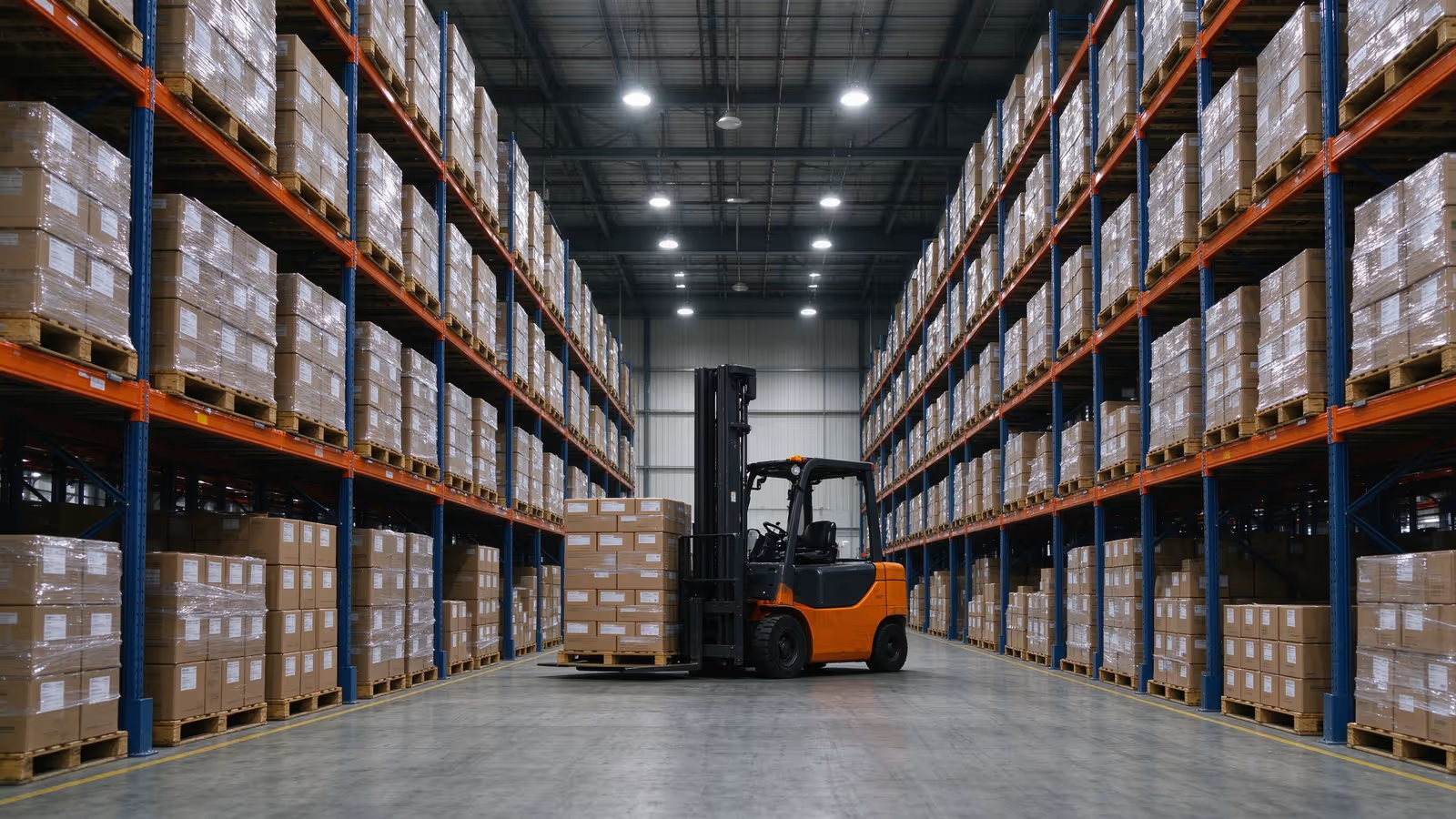
200L drums are the most economical format for high-volume buyers. Fleets, mining operations, construction companies, and large farms use drums with a dispensing pump, cutting their cost per liter significantly. For you as a distributor, drums mean bigger orders, lower packaging cost per liter, and fewer SKUs to manage. The trade-offs are heavier handling, a need for pumps and dispensing equipment at the customer site, and higher storage demands. If you supply commercial fleets, drums should be part of your range—often alongside pails for smaller users.
Cost and Freight Considerations
Packaging drives a large share of your landed cost. Bottles have the highest cost per liter because of plastic, caps, labels, and more units per container. Pails and drums reduce unit packaging cost but add weight and require careful stacking. When you import, freight is often charged by volume or weight, so denser packaging can raise shipping costs even as the per-liter product price drops. Model the full landed cost for each format—product, packaging, freight, and duties—before you commit. What looks cheapest on the price list is not always cheapest delivered.
How to Match Packaging to Your Market
Look at your customers before you choose. A distributor selling to retail and workshops usually needs bottles plus pails. A distributor serving fleets and industry needs pails plus drums. If you are entering a new market, start with the format your competitors already sell and the buyers already use—do not force a format that does not fit the local habit. In many African and Southeast Asian markets, for example, pails and drums dominate because customers buy in larger volumes, while retail bottles matter more in urban and modern-trade channels. Match the format to the buying behavior.
Packaging Quality Checks
Whatever format you choose, verify the packaging itself. Check that caps and seals are airtight, labels are durable and legible, and containers are clean and free of contamination. Damaged or leaky packaging causes losses and damages your brand. For export, confirm the packaging meets shipping and labeling requirements for your destination country, including multilingual labels if needed. A good product in bad packaging fails, while strong packaging supports repeat business. Inspect every incoming shipment the way you inspect the oil itself.
Choose What Sells, Not Just What Is Cheap
Bottles, pails, and drums each have a place, and most successful distributors carry more than one. Start from your customers’ buying habits, model the true landed cost of each format, and build a range that lets every buyer purchase the size they want. When you get packaging right, you make it easier for customers to buy—and that is the whole point.