
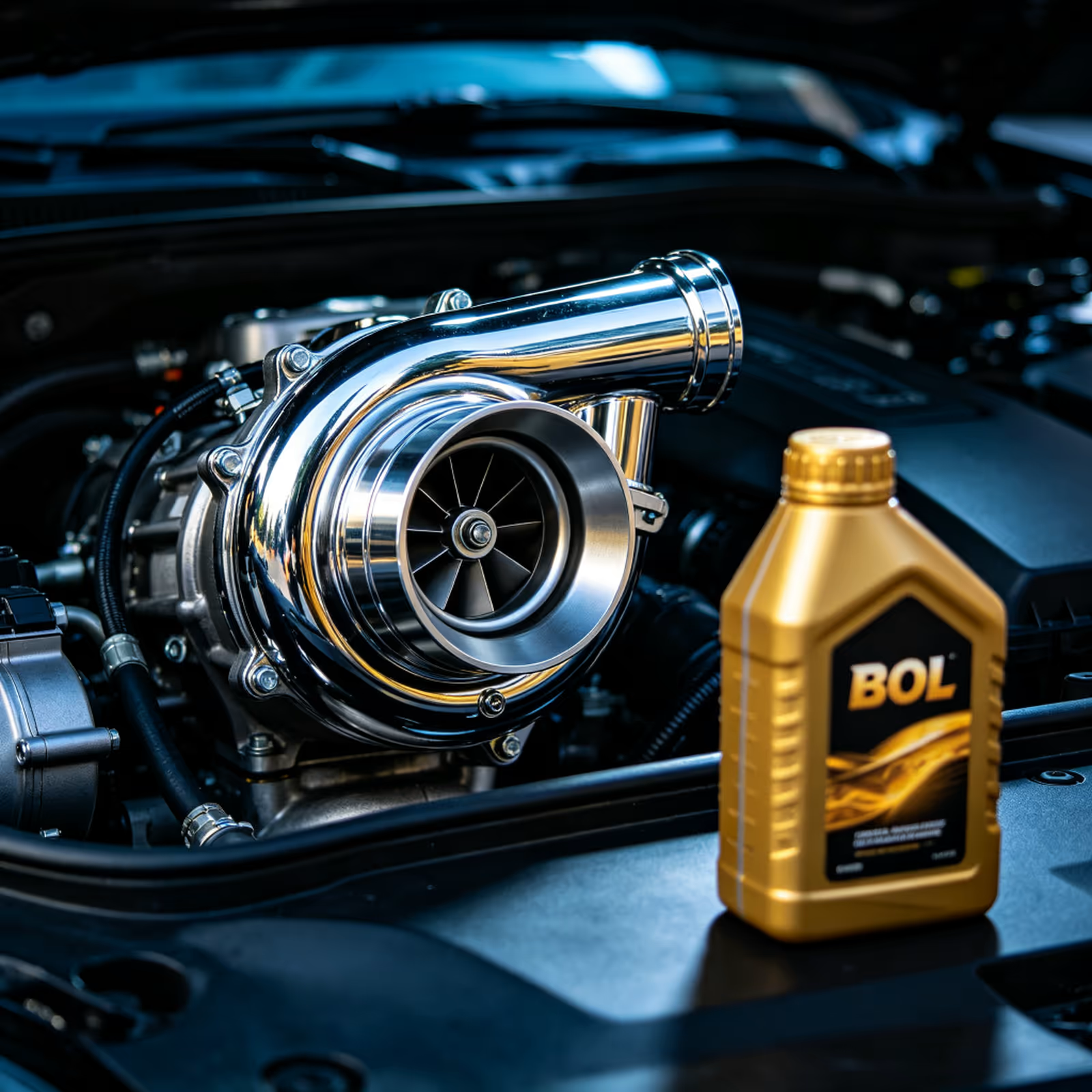
Turbocharged engines run hotter and put more stress on engine oil than naturally aspirated engines. Using the wrong oil can lead to coking, sludge, and premature turbo failure. Here is what matters when selecting oil for turbo engines.
Why Turbos Are Hard on Oil
A turbocharger can spin at over 150,000 rpm and reach very high temperatures. The oil must withstand extreme heat, resist oxidation, and keep flowing to the turbo bearings even in hot conditions. Inferior oil breaks down faster and leaves carbon deposits.
Key Oil Properties for Turbo Engines
- High thermal stability to resist breakdown at high temperatures
- Good oxidation resistance to prevent sludge and varnish
- Strong anti-wear protection for turbo bearings and engine parts
- Correct viscosity to maintain oil pressure and flow
What to Recommend
For turbocharged gasoline engines, a fully synthetic oil in the manufacturer-recommended viscosity is the safest choice. The latest API category (SP or newer) provides the deposit and sludge protection modern turbos need.
| Engine Type | Recommended Oil | Why |
|---|---|---|
| Turbo gasoline | Fully synthetic 5W-30 / 5W-40 | Heat resistance, deposit control |
| Turbo diesel (light) | Fully synthetic 5W-30 (C3/C2 ACEA) | Soot handling, shear stability |
| Older turbo engines | Synthetic blend 10W-40 | Balanced protection, budget friendly |
Why Not to Cut Corners
Saving on oil quality for a turbo engine is a false economy. Turbo failure caused by poor oil is expensive to repair. Recommending the right oil protects the customer’s engine and your reputation as a supplier.
BOL supplies fully synthetic engine oils designed for turbocharged and high-performance engines. Contact us to source the right products for your market.